

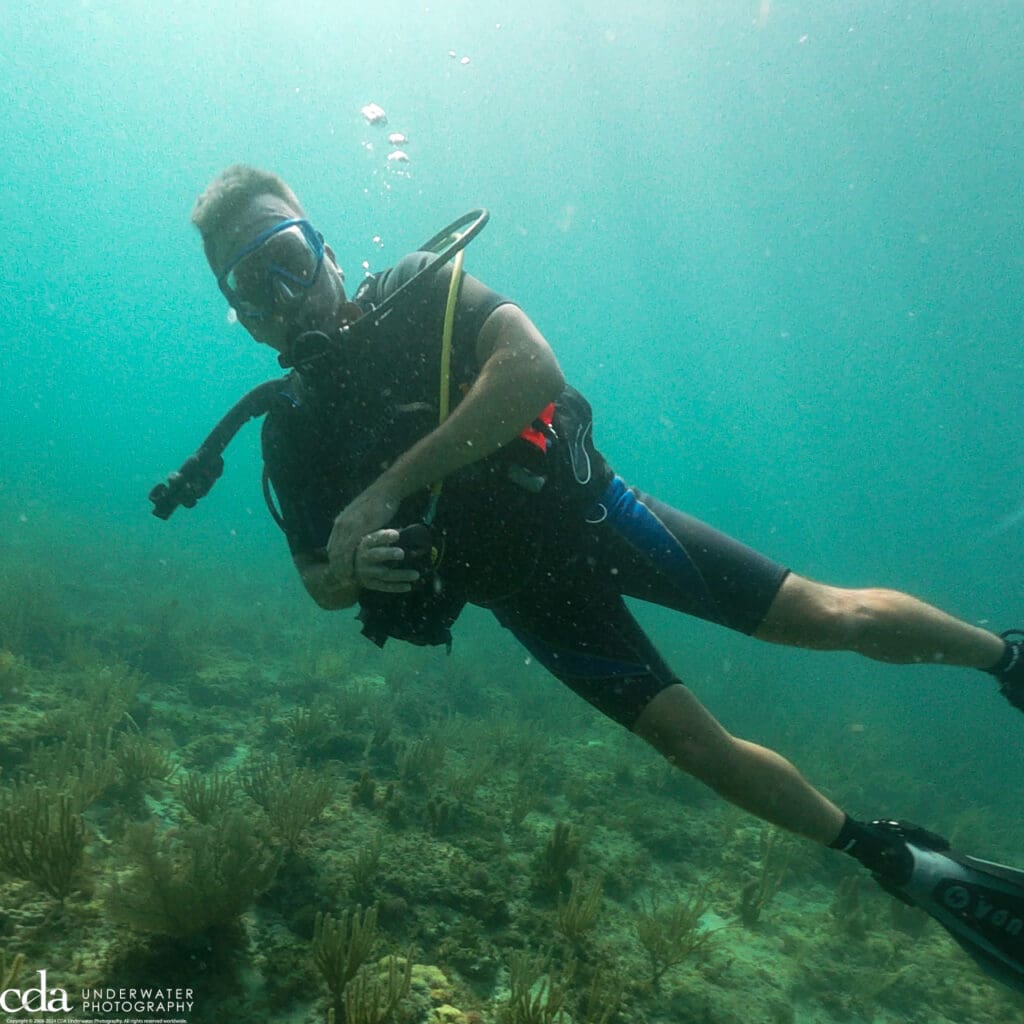
Drift diving—letting the current carry you along a reef or wall—is one of the most exhilarating ways to explore the underwater world. It’s like flying underwater, effortlessly gliding past coral formations, schools of fish, and dramatic drop-offs. South Florida, especially areas like Broward and Palm Beach, is known for strong Gulf Stream currents that make for exciting and rewarding drift dives.
But drift diving also comes with unique challenges. It requires planning, awareness, and specific techniques to stay safe and enjoy the experience. Whether you’re new to drift diving or looking to refine your skills, this guide will help you navigate the flow with confidence.
Why Drift Diving Is Worth It
Drift diving offers several advantages:
- Energy conservation: You let the current do the work, reducing exertion and air consumption.
- Marine life encounters: Currents bring nutrients, attracting fish, turtles, rays, and even sharks.
- Coverage: You can explore longer stretches of reef or wall in a single dive.
- Unique sensation: The feeling of gliding effortlessly is unlike any other type of diving.
South Florida’s east coast is ideal for drift diving, with experienced boat operators who specialize in live drop-offs and pickups.
1. Understand the Site and Conditions
Before any drift dive, get a thorough briefing from your dive operator or guide. Key things to know include:
- Current direction and strength
- Entry and exit procedures
- Depth profile and bottom features
- Boat pickup protocol
In South Florida, many drift dives use live boat pickups, where the boat follows divers and retrieves them wherever they surface. This requires coordination and visibility, so make sure you understand the plan.
2. Use the Right Gear
Drift diving requires a few specialized items to ensure safety and control:
- Surface Marker Buoy (SMB)
- Essential for signaling your position to the boat during ascent.
- Should be brightly colored and easy to deploy.
- Reel or Spool
- Used to deploy your SMB from depth.
- Helps maintain control during ascent in a current.
- Reef Hook or Pointer Stick
- Allows you to hold position without damaging the reef.
- Useful for observing marine life or waiting for your group.
- Dive Computer with Compass
- Helps track your heading and depth.
- Some models include GPS surface tracking for added safety.
Make sure all gear is streamlined to reduce drag and prevent entanglement.
3. Master Buoyancy and Trim
Good buoyancy control is critical in a current. You want to:
- Stay off the bottom to avoid disturbing sediment or damaging coral.
- Maintain a horizontal, streamlined position to reduce resistance.
- Use gentle finning to adjust your position without fighting the flow.
Practice buoyancy and trim in calm water before attempting drift dives. Consider taking a Peak Performance Buoyancy course to refine your skills.
4. Stay with Your Buddy
Currents can separate divers quickly. To stay together:
- Agree on hand signals and positioning before the dive.
- Maintain visual contact or use touch signals if visibility drops.
- Stay side-by-side or slightly staggered to avoid collision.
If separated, follow the lost buddy protocol: search for one minute, then surface and deploy your SMB.
5. Let the Current Work for You
The key to drift diving is to go with the flow. Use the current to:
- Cover more ground with less effort.
- Observe marine life without disturbing it.
- Enjoy the sensation of movement and freedom.
If you need to stop, use a reef hook or find a sheltered area behind rocks or coral heads. Avoid kicking against the current—it wastes energy and air.
6. Practice Controlled Ascents
Ascending in a current requires extra attention:
- Signal your buddy and prepare to ascend together.
- Inflate your SMB at depth if required.
- Ascend slowly, monitoring your depth and safety stop.
- Stay vertical and streamlined to avoid drifting sideways.
Boat crews in South Florida are trained to spot SMBs and pick up divers efficiently—but visibility and coordination are key.
7. Know When to Abort
If the current is too strong, visibility drops, or you feel uncomfortable, abort the dive. Safety always comes first.
- Signal your buddy and ascend together.
- Deploy your SMB and wait for pickup.
- Debrief with the dive operator and learn from the experience.
Never feel pressured to continue a dive that doesn’t feel safe.
8. Consider a Drift Diving Specialty Course
Many dive agencies offer Drift Diver Specialty Courses, which cover:
- Planning and executing drift dives
- Using SMBs and reels
- Boat pickup procedures
- Navigation and buddy communication
Courses often include dives at popular South Florida sites like Jupiter Drift or Breakers Reef, giving you hands-on experience in real conditions.
Common Mistakes to Avoid
Even experienced divers can struggle in currents. Watch out for:
- Overexertion: Don’t fight the flow—go with it.
- Poor buoyancy: Stay off the bottom and avoid vertical drifting.
- Losing your buddy: Stay close and communicate often.
- Skipping the SMB: Always signal your position during ascent.
Final Thoughts: Go with the Flow
Drift diving is one of the most dynamic and rewarding ways to explore the ocean. With the right preparation, gear, and mindset, you can enjoy the ride safely and confidently.
So before your next drift dive, ask yourself:
- Do I understand the site and conditions?
- Is my gear ready and appropriate?
- Am I confident in my buoyancy and communication?
- Do I know how to deploy my SMB and signal the boat?
If the answer is yes, then you’re ready to go with the flow—and experience the thrill of drift diving in South Florida.
Content created by Gen AI but edited by scuba divers for scuba divers. Image courtesy Christopher Duncan, copyright 2025 CDA Underwater Photography, all rights reserved worldwide.