

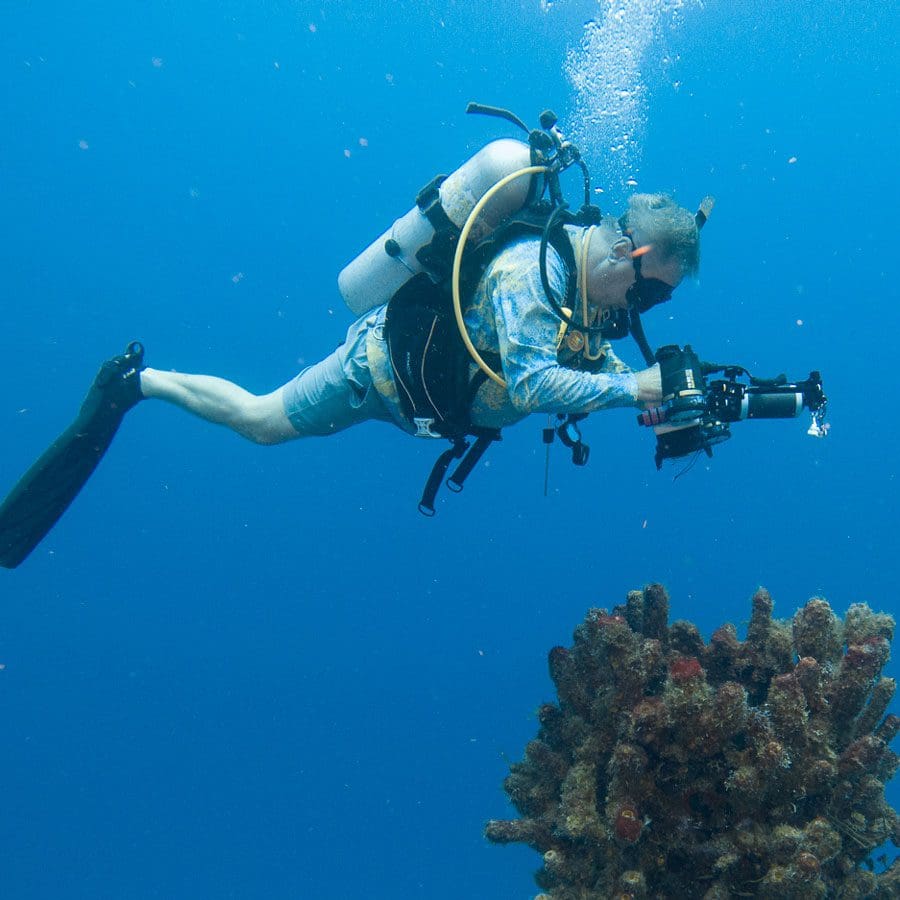
Underwater photography is one of the most rewarding ways to capture the magic of scuba diving. Whether you’re snapping a curious sea turtle, a vibrant coral reef, or the eerie silhouette of a shipwreck, the underwater world offers endless opportunities for stunning visuals. But it’s not as simple as pointing and shooting—water changes everything. From light refraction to buoyancy control, underwater photography requires a unique set of skills, gear, and patience. If you’re just getting started or looking to improve your shots, this guide will walk you through everything you need to know.
1. Start with the Right Gear
Before you dive into the deep end of underwater photography, you need the right equipment. You don’t have to spend thousands to get started, but you do need gear that’s reliable and suited to your skill level.
- Compact Cameras: Great for beginners. Models like the Olympus TG-6 are waterproof and offer solid image quality.
- Action Cameras: GoPros are popular for video and wide-angle shots. Use a red filter or external light to improve color.
- DSLR/Mirrorless Systems: For advanced photographers, these offer superior image quality but require underwater housings, strobes, and more complex setups.
Make sure your housing is rated for the depth you plan to dive, and test all seals before each dive. A flooded camera is a sad camera.
2. Master Your Buoyancy First
This cannot be overstated: good buoyancy control is the foundation of underwater photography. If you’re bouncing off the bottom or flailing around, your shots will be blurry, and you risk damaging fragile marine life.
Practice hovering in place, adjusting your breathing to fine-tune your position. Consider taking a Peak Performance Buoyancy course if you’re still working on this skill. A steady diver is a successful photographer.
3. Understand How Light Works Underwater
Water absorbs light and color, especially reds and oranges, which disappear quickly as you descend. That’s why your photos may look blue or green unless you compensate.
- Use artificial light: Strobes or video lights restore color and contrast.
- Shoot close: The closer you are to your subject, the less water there is to distort the image.
- Use filters: Red filters help restore color at depth, especially for GoPros and compact cameras.
Always test your lighting setup before the dive and adjust based on visibility and depth.
4. Get Close—Then Get Closer
One of the golden rules of underwater photography is: get close, then get closer. Water reduces sharpness and contrast, so the less distance between you and your subject, the better.
Avoid using zoom unless you have a high-end camera with a macro lens. Instead, physically approach your subject slowly and calmly. This also helps reduce backscatter—those annoying white specks caused by particles in the water reflecting your flash.
5. Composition Is Key
Even underwater, the rules of composition still apply. Here are a few tips:
- Rule of Thirds: Position your subject off-center for a more dynamic image.
- Negative Space: Use open water to isolate your subject.
- Leading Lines: Coral formations or wreck structures can guide the viewer’s eye.
- Eye Contact: Shots of marine life looking directly at the camera are especially engaging.
Take your time to frame the shot. Rushing leads to missed opportunities and poor results.
6. Respect Marine Life
This is a big one. Never harass, chase, or touch marine animals for a photo. Not only is it unethical, but it can also be dangerous—for you and the creature.
- Be patient: Let the animal come to you.
- Avoid flash on sensitive species: Some creatures, like seahorses and octopuses, are sensitive to light.
- Don’t touch coral: Even a gentle brush can cause damage.
If you’re unsure about how to interact with a species, ask a dive professional or marine biologist. Your photos should celebrate marine life, not disturb it.
7. Learn Your Camera Settings
Auto mode is fine for beginners, but learning manual settings will take your photography to the next level.
- Shutter Speed: Use 1/125 or faster to avoid motion blur.
- Aperture: Smaller apertures (f/8–f/16) increase depth of field.
- ISO: Keep it low (100–400) to reduce noise, but increase it in low light.
- White Balance: Adjust manually or use RAW format for better post-processing.
Practice on land first, then apply your skills underwater. The more familiar you are with your camera, the easier it is to adapt on the fly.
8. Post-Processing Is Your Friend
Even the best underwater shots benefit from a little editing. Use software like Adobe Lightroom or Photoshop to:
- Adjust white balance
- Boost contrast and saturation
- Crop and straighten
- Remove backscatter
Don’t go overboard—aim for natural-looking enhancements. If you’re new to editing, there are plenty of tutorials online to help you get started.
9. Take a Specialty Course
If you’re serious about underwater photography, consider taking a specialty course. Most dive agencies offer them, and they cover:
- Equipment setup and maintenance
- Lighting techniques
- Composition and subject selection
- Safety and environmental awareness
Learning from a professional can accelerate your progress and help you avoid common mistakes. Plus, you’ll get feedback on your shots and tips tailored to your gear and style.
10. Practice, Practice, Practice
Like any skill, underwater photography improves with practice. Dive often, shoot often, and review your images critically. Ask yourself:
- Is the subject in focus?
- Is the composition interesting?
- Are the colors accurate?
- What could I do better next time?
Keep a photo log alongside your dive log to track your progress. Over time, you’ll develop your own style and technique.
Final Thoughts: Enjoy the Dive
It’s easy to get caught up in the pursuit of the perfect shot, but don’t forget why you started diving in the first place. Take time to appreciate the underwater world with your own eyes, not just through a lens.
Photography should enhance your dive experience, not distract from it. So breathe slowly, stay calm, and let the ocean surprise you. The best photos often come when you least expect them.
And remember—always check with a professional before investing in gear or attempting advanced techniques. They’ll help you make informed choices and keep your dives safe and enjoyable.
Content created by Gen AI but edited by scuba divers for scuba divers. Photography courtesy of Andre Saade, copyright 2025 Andre Saade, all rights reserved worldwide.