

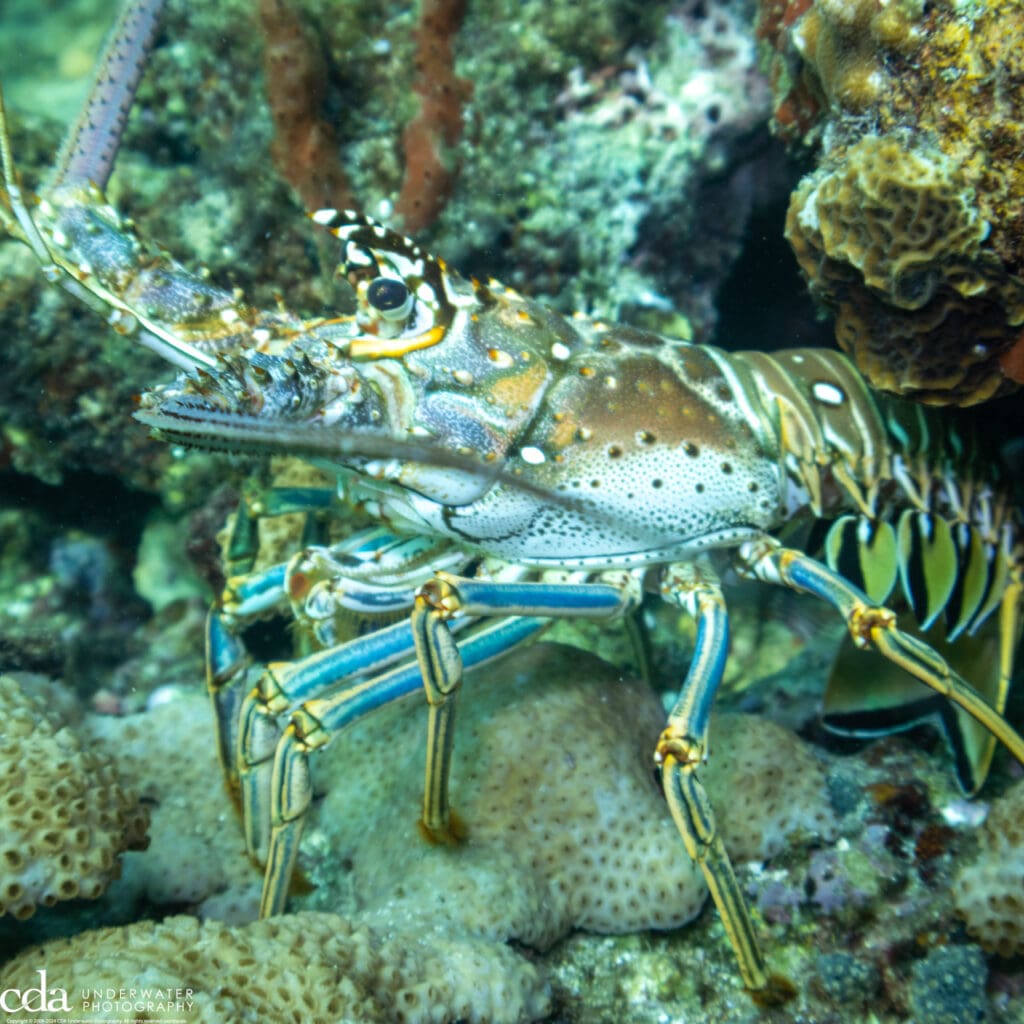
Every year, Florida’s two-day spiny lobster mini-season draws thousands of divers into our waters, eager to snag their share of delicious bounty before the regular season begins. If you’re up at 12:01 am on Wednesday July 28th of 2025, you’ll see divers eagerly waiting the go signal and jumping into the water just after the stroke of midnight. But beneath the excitement lies a sobering reality: mini-season consistently ranks as one of the most dangerous times to scuba dive in Florida. From boat collisions to out-of-air emergencies, the spike in accidents during this short window has prompted safety experts to sound the alarm.
The Numbers Behind the Risk
According to a study by Divers Alert Network (DAN), Florida’s mini-season accounts for nearly half of all underwater hunting deaths in the state. Between 2004 and 2014, 22 of 51 fatalities occurred during mini-season—an average of two deaths every year over just two days.
More recent incidents reinforce the trend:
- In 2024, a 20-year-old diver was critically injured after being struck by a boat propeller near Boca Chica Bridge.
- That same day, two boats capsized, and multiple divers were rescued from sinking vessels and strong currents.
- In 2022, five divers died in Florida in a single month, with several incidents linked to early-season diving and poor preparation.
These aren’t isolated events—they’re part of a pattern that emerges every July when mini-season kicks off.
Why Mini-Season Is So Dangerous
Several factors converge to make mini-season a perfect storm for scuba accidents:
- Overcrowded Waters
Thousands of divers and boaters hit the water simultaneously, especially in hotspots like Palm Beach County down to the Florida Keys. Even experienced divers can be caught off guard when visibility is low and boat traffic is high. This congestion increases the risk of:- Propeller strikes
- Boat collisions
- Dive flag violations
- Task Overload
Lobster hunting is physically demanding and mentally distracting. DAN’s research found that lobster hunters were more likely to run out of air or suffer gas embolisms than non-hunters. Divers often:- Focus on catching lobsters instead of monitoring air supply
- Ignore depth limits or dive plans
- Overexert themselves chasing prey
- Rushed Dives
The eagerness to hunt can lead to bad decisions. This urgency leads to poor decision-making and increased risk of decompression sickness (DCS), cardiac events, and drowning. With only 48 hours to harvest, divers often push their limits:- Skipping safety checks
- Diving multiple times in one day
- Ignoring signs of fatigue or dehydration
- Inexperienced or Out-of-Practice Divers
Mini-season attracts many recreational divers who haven’t been in the water for months—or years. Lack of recent experience can result in:- Equipment mishandling
- Panic underwater
- Miscommunication with dive buddies
Watch List: What to Do (and Not Do)
To stay safe during mini-season, divers and boaters should follow this essential checklist:
✅ DO:
- Plan Your Dive and Dive Your Plan Know your entry/exit points, depth limits, and emergency procedures.
- Check Your Air Often Monitor your pressure gauge regularly and surface with a safe reserve.
- Stay Close to Your Buddy Maintain visual contact and agree on hand signals before diving.
- Use a Proper Dive Flag Display a diver-down flag and stay within 300 feet in open water (100 feet near channels).
- Hydrate and Rest Fatigue and dehydration are major contributors to dive-related medical emergencies.
- Inspect Your Gear Thoroughly Test regulators, tanks, and buoyancy devices before entering the water.
- Know the Rules Review FWC regulations on bag limits, size restrictions, and no-take zones.
❌ DON’T:
- Rush Your Dive Speed leads to mistakes. Take time to prep and descend slowly.
- Ignore Weather Conditions Storms and currents can change rapidly—check forecasts and stay flexible.
- Dive Beyond Your Limits If you’re not physically fit or trained for deep or strenuous dives, don’t push it.
- Assume Boaters See You Many boaters fail to respect dive flags. Stay alert and surface cautiously.
- Harvest Illegally Taking undersized lobsters or egg-bearing females can result in fines—and damage the ecosystem.
- Dive Alone Solo diving during mini-season is especially risky. Always have a buddy.
Lessons from Recent Incidents
The 2024 mini-season was a stark reminder of how quickly things can go wrong:
- A diver struck by a boat propeller suffered head, neck, and shoulder injuries.
- Two boats capsized near Crandon Park, requiring emergency rescues.
- A diver found a package of suspected cocaine offshore—highlighting the unpredictability of open water.
These events underscore the importance of preparation, awareness, and respect for the ocean’s power.
Final Thoughts
Divers who want to participate in mini-season will also need to purchase a Florida fishing license with a special lobster permit. They can be purchased online at Go Outdoors Florida or by calling 1-888-HUNT-FLORIDA (486-8356).
Mini-season offers a thrilling opportunity to explore Florida’s reefs and snag some spiny lobsters—but it’s not worth risking your life. With proper planning, situational awareness, and adherence to safety protocols, divers can enjoy the hunt without becoming a statistic. Out Scuba has no opinion on hunting and fishing while diving, that is an individual choice. But we do have one very important opinion: we want you to be safe and come back from your dive happy!
Photograph courtesy of Christopher Duncan, Copyright 2025 CDA Underwater Photography. All rights reserved worldwide.