

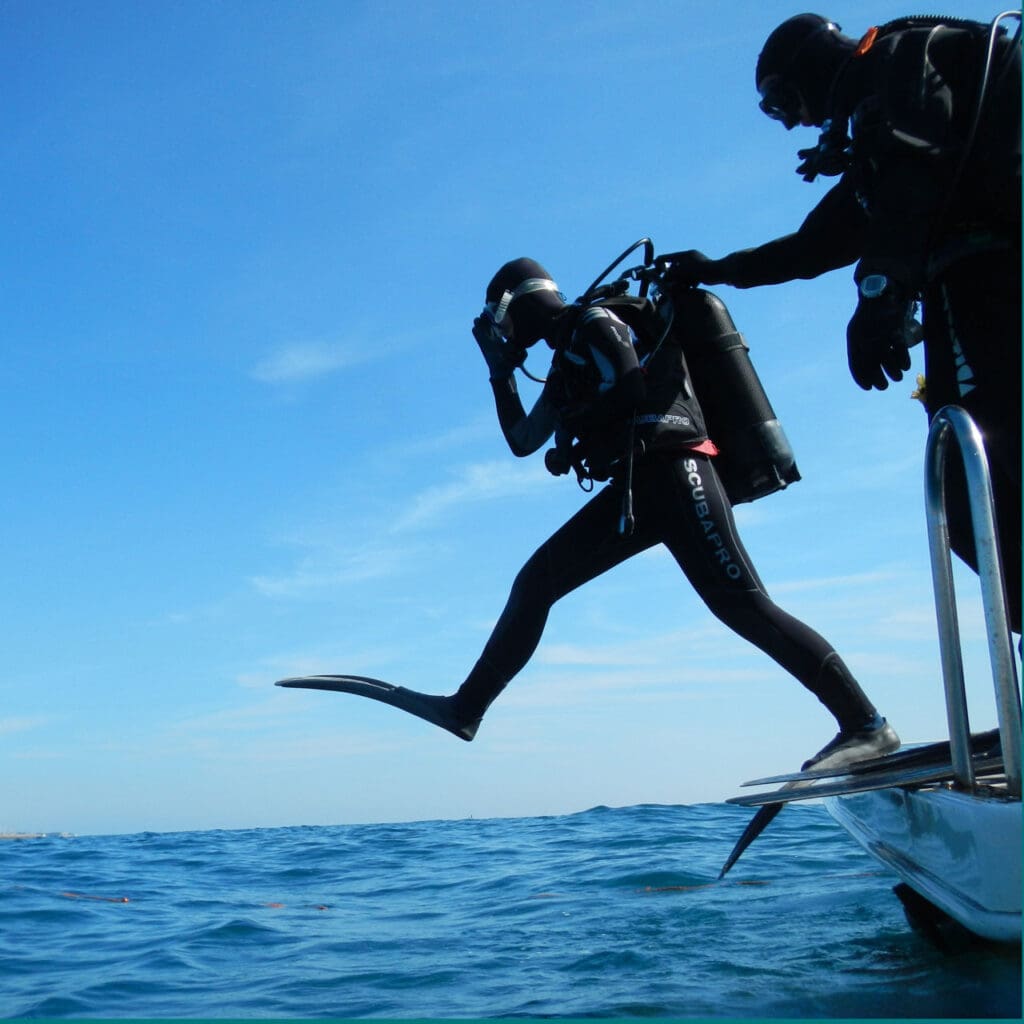
Taking the plunge into your first boat dive is a thrilling step in your scuba diving journey. Unlike shore dives, boat dives open up a world of deeper, more remote, and often more pristine underwater environments. From vibrant coral reefs to haunting shipwrecks, boat diving gives you access to sites that are otherwise unreachable. But with this new adventure comes a fresh set of considerations—logistics, etiquette, safety, and gear. Whether you’re diving off South Florida’s coast or heading out on a tropical vacation, here’s everything you need to know to prepare for your first boat dive.
1. Choose the Right Dive Charter
Not all dive boats are created equal. Some cater to beginners, while others are geared toward advanced or technical divers. Start by researching local dive operators and reading reviews. Look for boats that are well-maintained, captained by licensed professionals, and staffed with certified dive instructors or divemasters. Ask about:
- The dive site’s depth and conditions
- Required certification level
- Gear rental availability
- Safety protocols and emergency equipment
- Group size and dive schedule
If you’re diving in South Florida, popular operators around Fort Lauderdale, Key Largo, and West Palm Beach offer trips to reefs, wrecks, and even drift dives. Make sure the site matches your experience level and comfort zone.
Remember: instructor member Skip VandeLinde and his company AquaLife Divers offer a 15% discount to all Out Scuba members.
2. Know What to Pack
Space is limited on dive boats, so pack smart. Here’s a checklist of essentials:
- Certification card and logbook – You’ll need proof of certification.
- Full scuba kit – Mask, fins, snorkel, BCD, regulator, wetsuit, dive computer.
- Surface Marker Buoy (SMB) – Crucial for safety, especially if surfacing away from the boat.
- Seasickness medication – Take it at least an hour before departure.
- Dry bag – For valuables like your phone, wallet, and towel.
- Water and snacks – Staying hydrated is key.
- Sunscreen and hat – You’ll be exposed to the sun before and after the dive.
If you’re renting gear, arrive early to ensure proper fit and function. Always test your equipment before leaving the dock.
3. Arrive Early and Pay Attention
Boat diving is a team effort. Arrive at least 30 minutes before departure to check in, set up your gear, and attend the dive briefing. The crew will go over:
- Dive site overview
- Entry and exit procedures
- Emergency protocols
- Buddy assignments
- Depth limits and bottom time
This is not the time to zone out—listen carefully and ask questions if anything is unclear. If you’re unsure about any aspect of the dive, consult a professional before proceeding.
4. Set Up Your Gear Efficiently
Once on board, find your designated spot and begin assembling your gear. Keep your area tidy and avoid spreading out. Here’s a quick setup guide:
- Attach your BCD to the tank and secure it tightly.
- Connect your regulator and check for leaks.
- Test your inflator and deflator buttons.
- Confirm your dive computer is functioning and set correctly.
- Stow your fins, mask, and weights within reach.
Perform a buddy check using the BWRAF method (BCD, Weights, Releases, Air, Final OK). This step is crucial—don’t skip it.
5. Understand Boat Etiquette
Boat diving comes with its own set of social norms. Respecting these makes the experience smoother for everyone:
- Keep gear organized – Don’t block walkways or pile gear in common areas.
- Rinse masks properly – Use the designated rinse bucket, not the camera bucket.
- Be courteous – Help others if needed and thank the crew.
- Tip appropriately – If service was good, a 10–20% tip is customary.
Remember, the crew is there to keep you safe and make your dive enjoyable. A little kindness goes a long way.
6. Entry and Exit Techniques
Depending on the boat and dive site, you may use different entry methods:
- Giant stride – Common on larger boats with platforms.
- Backroll – Used on smaller boats or inflatables.
- Seated entry – Sometimes used in calm conditions.
Always wait for the crew’s signal before entering the water. Once in, give the OK sign and move away from the entry point to make room for others.
Exiting the water can be tricky, especially in choppy conditions. Use the ladder carefully, keep your regulator in until you’re stable, and follow crew instructions.
7. Dive Smart and Stay Safe
Boat dives often involve deeper depths, stronger currents, and more complex navigation. Here are some safety tips:
- Stick to the dive plan – Don’t exceed depth or time limits.
- Monitor your air – Check your SPG regularly and surface with a safe reserve.
- Stay with your buddy – Maintain visual contact and communicate often.
- Use your SMB – Deploy it if surfacing away from the boat.
- Ascend slowly – Follow your dive computer and perform a safety stop.
If you feel uncomfortable at any point, signal your buddy and ascend safely. Never push beyond your limits.
8. Post-Dive Procedures
Once back on the boat:
- Remove and stow your gear promptly.
- Rinse off with fresh water if available.
- Hydrate and eat something light.
- Log your dive details while they’re fresh.
- Debrief with your buddy or instructor.
This is also a great time to ask questions, share observations, and learn from the experience.
9. Common Mistakes to Avoid
First-time boat divers often make a few predictable errors. Here’s how to avoid them:
- Overpacking – Bring only what you need.
- Skipping the briefing – Always attend and pay attention.
- Poor time management – Arrive early and be ready when called.
- Neglecting gear checks – Test everything before leaving the dock.
- Ignoring seasickness – Take medication even if you’re unsure.
Preparation and awareness are your best tools for a successful dive.
10. Final Thoughts: Dive Within Your Limits
Your first boat dive should be exciting, not stressful. By preparing properly, respecting the crew and fellow divers, and staying within your training level, you’ll set yourself up for a safe and memorable experience. And remember—always consult a professional if you’re unsure about any aspect of the dive. They’re there to guide you, support you, and ensure your safety.
So pack your gear, grab your logbook, and get ready to explore the underwater world from a whole new perspective. Your first boat dive is just the beginning of countless adventures ahead.
Content created by Gen AI but edited by scuba divers for scuba divers. Image by FIRST online from Pixabay