

Airplanes and scuba can be best friends—if you treat them right. Whether you’re planning a weekend in the Keys or a bucket-list liveaboard, a smart flight-and-dive strategy keeps you safe, happy, and fully bubbled.
Before You Book: Timing Is Everything
- No-fly times after diving: The golden rule—give yourself a buffer after your last dive before flying. While many agencies recommend 12–18 hours after a single no-deco dive and 18–24 hours after multiple days of diving, savvy divers often plan a full 24 hours to be conservative.
- Plan your “dry day”: Make your final day a topside adventure—museum crawls, beach time, mangrove tours, or a boat day with snorkeling only.
Packing Like a Pro (Without Taking Two Suitcases)
- Carry-on essentials: Mask, computer, regulator, and dive log. If your luggage takes a surprise detour to Denver, you can still dive.
- Checked bag strategy: Wrap your BCD around your regs in a padded burrito, use fin pockets for socks and rash guards, and tuck your wetsuit flat against the case walls.
- Weight hacks: Travel BCDs, short blade fins, and a 3mm wetsuit save pounds. Rent tanks and weights on location (your back will thank you).
- Battery rules: Cameras and lights—keep lithium batteries in your carry-on with terminals covered. Pack chargers and spare O-rings, and store housings dry.
Managing Airport Days Like a Diver
- Hydration: Cabin air is drier than a desert—sip water continuously. Dehydration increases DCS risk, so treat your bloodstream like the VIP lounge.
- Compression socks: Not glamorous, wildly useful. They help circulation during long flights and reduce leg fatigue the next day.
- Stretch breaks: Walk the aisle, roll your ankles, and breathe slowly. Your tissues are your dive buddies—keep them happy.
Destination Logistics That Smooth the Journey
- Shuttle + dive shop coordination: Message operators your arrival time; many will store gear, set up the first dive, and even pre-rinse your kit.
- Local tanks: Flying with tanks isn’t a thing. Confirm DIN/Yoke compatibility and nitrox availability in advance.
- Cold-to-warm transitions: If you’re leaving cool climates for South Florida’s lovely warmth, plan sunscreen, rash guard, and a thinner suit. Opposite direction? Bring a hooded vest and thicker exposure protection.
Health and Safety: The No-Drama Checklist
- Avoid diving immediately after long-haul flights: Give your body a rest day to acclimate and rehydrate before splashing.
- Altitude awareness: If your trip includes mountains post-dive (hello volcano hikes), treat altitude like “flying”—build in your surface interval.
- Insurance: Dive-specific coverage can save the day. DAN-style policies are peace of mind in a card.
Your Ideal 4-Day Fly-and-Dive Plan
- Day 1: Fly, hydrate, stretch, early dinner, gear check.
- Day 2: Two easy reef dives, long surface interval, sunset.
- Day 3: Morning deep or wreck (within your training), afternoon macro dive, rinse, log.
- Day 4: Dry day—snorkel, kayak, food tour, fly late evening or next morning.
Pro Tips for Stress-Free Travel
- Label your gear: Name inside your mask case and BCD pocket. Boat crews love organized divers.
- Backup computer or bottom timer: If your main fails, your trip doesn’t.
- Stay flexible: Weather happens. Have Plan B dives and land adventures ready.
Bottom Line: Make the Air Part of the Adventure
With smart buffers, smart packing, and smarter hydration, air travel and diving play beautifully together. Plan it right and your trip flows like a perfect drift dive—from gate to reef, no turbulence required.
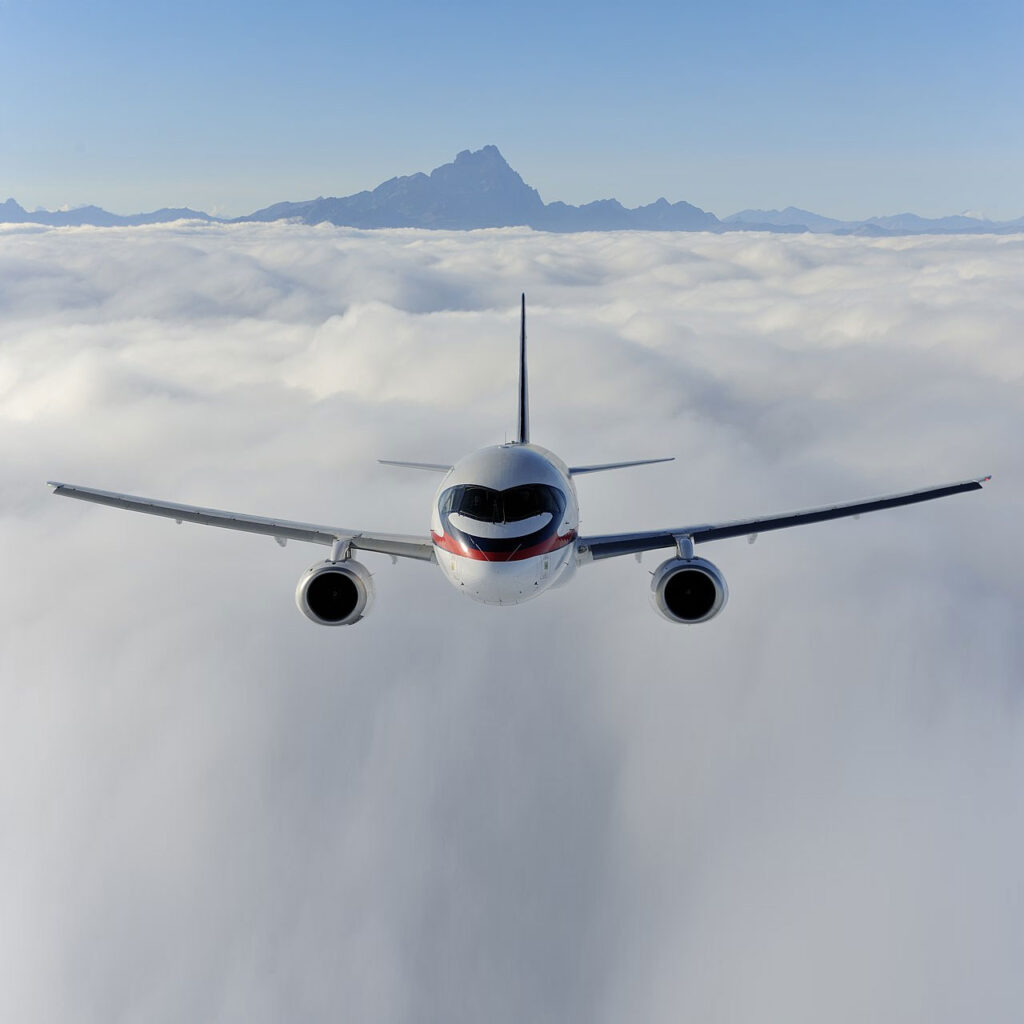
Content created by Gen AI but edited by scuba divers for scuba divers. Image courtesy of SuperJet International, CC BY-SA 2.0, via Wikimedia Commons
.jpg)