

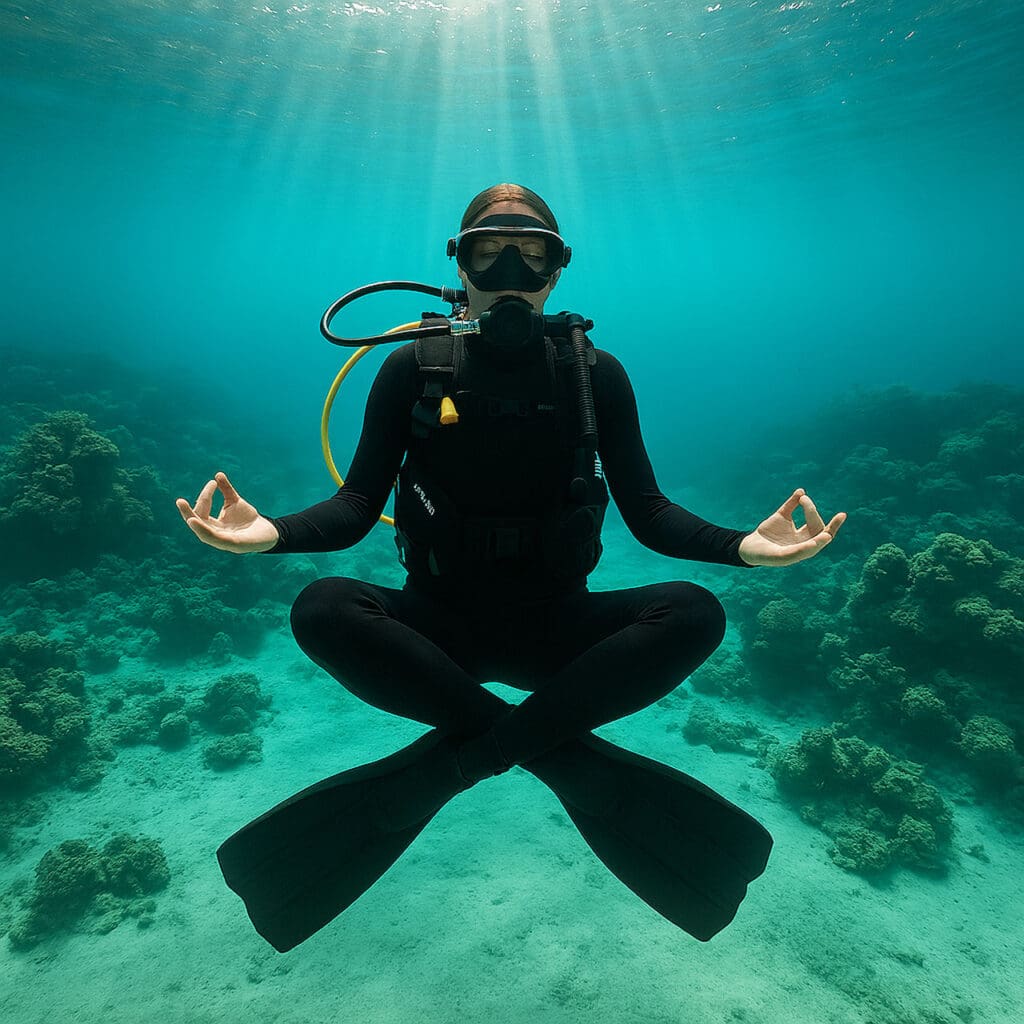
Scuba diving is often celebrated for its physical benefits—improved fitness, better breathing control, and increased stamina. But what many people don’t realize is that diving can also have a profound impact on mental health. From reducing stress and anxiety to boosting mindfulness and self-confidence, the underwater world offers more than just beauty—it offers healing.
Whether you’re a seasoned diver or someone considering certification, this guide explores how scuba diving can support mental well-being and why it’s more than just a recreational activity—it’s a therapeutic experience.
1. The Power of Presence: Diving Promotes Mindfulness
One of the most immediate effects of scuba diving is the way it pulls you into the present moment. Underwater, distractions disappear. There’s no phone, no noise, no to-do list—just the sound of your breath and the rhythm of your movements.
This state of focused awareness is a form of mindfulness, which has been shown to:
- Reduce anxiety
- Improve emotional regulation
- Enhance overall well-being
Diving forces you to slow down, observe, and respond intentionally. It’s meditation in motion.
2. Breathing Deeply and Calmly
Breathing is central to diving. You learn to take slow, deep breaths to conserve air and maintain buoyancy. This breathing pattern mirrors techniques used in yoga and meditation to calm the nervous system.
- Benefits of controlled breathing include:
- Lower heart rate
- Reduced cortisol (stress hormone) levels
- Improved focus and relaxation
For people who struggle with anxiety or panic, learning to regulate breath underwater can be empowering—and even transformative.
3. Nature’s Healing Effect
Spending time in nature has well-documented mental health benefits. It reduces stress, improves mood, and enhances cognitive function. Scuba diving takes this a step further by immersing you in a completely different ecosystem.
Underwater, you’re surrounded by:
- Vibrant coral reefs
- Graceful marine life
- Gentle currents and soothing sounds
This sensory experience can trigger a “blue mind” state—a term coined by marine biologist Wallace J. Nichols to describe the calming effect of water on the brain.
4. Building Confidence and Resilience
Learning to dive involves mastering new skills, overcoming fears, and trusting yourself in unfamiliar environments. Each successful dive builds:
- Self-confidence: You prove to yourself that you can handle challenges.
- Resilience: You learn to adapt, problem-solve, and stay calm under pressure.
- Competence: You gain a sense of mastery that translates to other areas of life.
For individuals recovering from trauma, depression, or low self-esteem, diving can be a powerful tool for rebuilding a positive self-image.
5. Social Connection and Community
Diving is rarely a solo activity. Whether you’re training with an instructor, exploring with a buddy, or joining a group trip, scuba diving fosters connection.
- Social interaction is vital for mental health. It:
- Reduces feelings of isolation
- Provides emotional support
- Encourages shared experiences and bonding
Dive communities are often inclusive, supportive, and passionate—making them a great place to build friendships and find belonging.
6. A Break from the Digital World
In today’s hyper-connected world, it’s hard to unplug. Diving offers a rare escape from screens, notifications, and digital overload.
Underwater, you’re unreachable. You’re not scrolling, texting, or multitasking. You’re fully engaged in the experience.
This digital detox can:
- Improve sleep
- Reduce anxiety
- Enhance attention span
It’s a reset for your brain—and a reminder of how good it feels to disconnect.
7. Goal Setting and Personal Growth
Diving encourages continuous learning. From earning certifications to exploring new environments, there’s always a goal to pursue.
Setting and achieving goals is linked to:
- Increased motivation
- Greater life satisfaction
- Improved mental clarity
Whether it’s mastering buoyancy, completing a wreck dive, or planning a dive trip, these milestones provide structure and purpose.
8. Therapeutic Applications of Diving
Scuba diving is increasingly being used in therapeutic settings. Programs like adaptive diving and scuba therapy support individuals with:
- PTSD
- Physical disabilities
- Autism spectrum disorders
- Depression and anxiety
These programs combine the physical and psychological benefits of diving with professional support, offering a unique form of rehabilitation and empowerment.
9. Stress Relief Through Adventure
Adventure itself can be a form of therapy. Diving offers excitement, exploration, and novelty—all of which stimulate the brain and elevate mood.
The anticipation of a dive, the thrill of discovery, and the satisfaction of completing a dive safely all contribute to a sense of joy and fulfillment.
For many, diving becomes a passion that replaces stress with curiosity and fear with wonder.
10. Creating Space for Reflection
After a dive, many divers describe a sense of clarity and calm. The underwater experience creates mental space—free from noise, clutter, and urgency.
This post-dive reflection can lead to:
- Better decision-making
- Emotional insight
- Creative thinking
It’s not uncommon for divers to return from a trip with a renewed sense of purpose or a fresh perspective on life.
Final Thoughts: Dive Into Wellness
Scuba diving isn’t a cure-all, but it’s a powerful tool for mental health. It combines physical activity, nature immersion, social connection, and mindfulness in a way few other activities can.
So whether you’re looking to manage stress, build confidence, or simply find peace beneath the waves, diving offers a path to wellness that’s as deep as the ocean itself.
Before you begin, ask yourself:
- Am I ready to learn and grow?
- Do I want to explore nature in a new way?
- Could diving support my mental and emotional well-being?
If the answer is yes, then take the plunge. The underwater world is waiting—and it might just be the therapy you didn’t know you needed.
Content and image created by Gen AI but edited by scuba divers for scuba divers.