

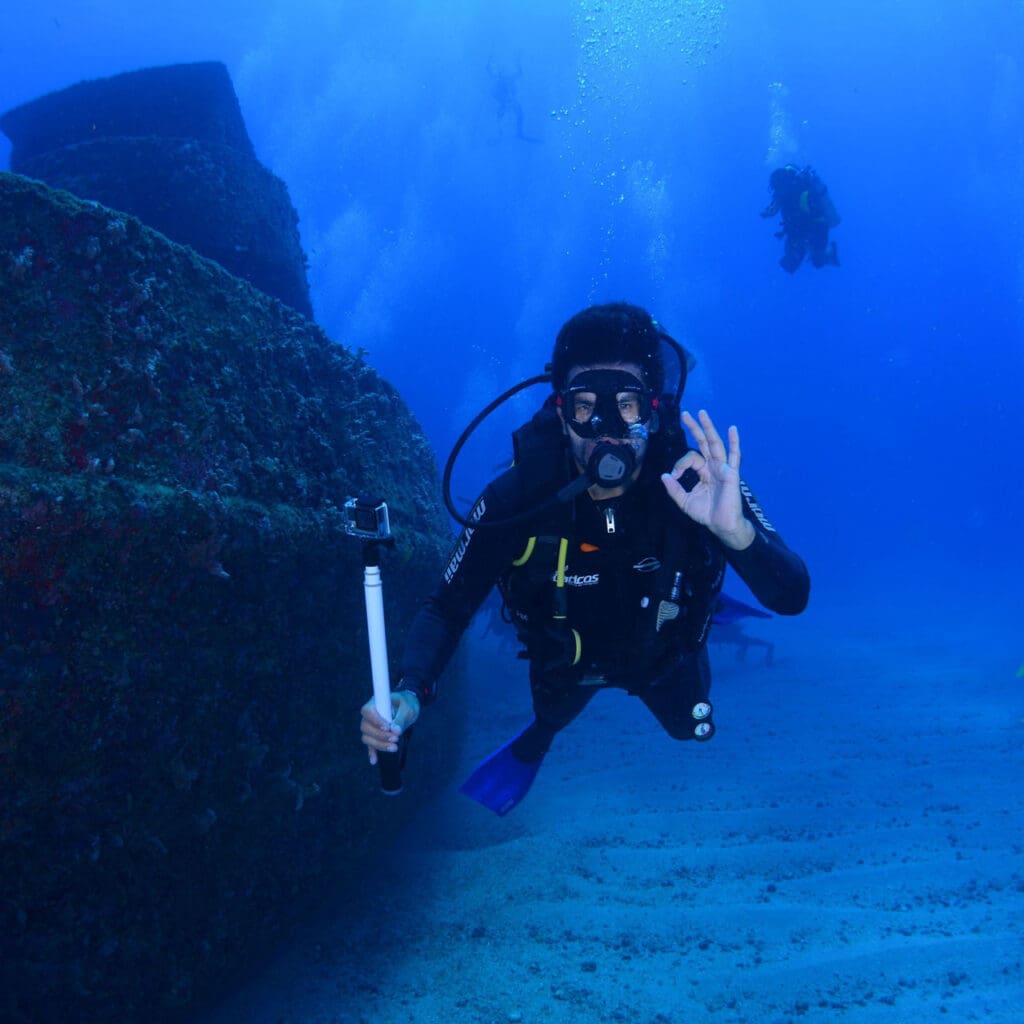
South Florida is a diver’s paradise, and if you’re into wreck diving, it’s practically a dream come true. From sunken ships teeming with marine life to purpose-sunk artificial reefs designed for exploration, the region offers some of the most accessible and exciting wreck dives in the United States. Whether you’re a newly certified diver or a seasoned wreck enthusiast, South Florida’s waters have something for everyone.
But wreck diving isn’t just about swimming through cool structures—it requires planning, awareness, and respect for both safety and the environment. In this guide, we’ll explore what makes South Florida wreck diving so special, highlight some must-see sites, and share essential safety tips to help you dive smart.
Why Wreck Diving Is So Popular in South Florida
South Florida’s coastline is dotted with dozens of wrecks, many of which are part of organized artificial reef programs. These wrecks serve multiple purposes:
- Marine habitats: They attract fish, coral, and other marine life.
- Dive training sites: Many wrecks are used for advanced certifications.
- Tourist attractions: They’re a major draw for dive tourism.
- Historical interest: Some wrecks have fascinating backstories.
The warm water, good visibility, and relatively shallow depths make South Florida ideal for wreck diving year-round.
Top Wreck Dive Sites in South Florida
Here are a few standout wrecks worth exploring:
1. The Spiegel Grove – Key Largo
One of the most famous wrecks in the U.S., the Spiegel Grove is a 510-foot Navy transport ship sunk in 2002. It sits at depths ranging from 60 to 130 feet and is perfect for advanced divers. The site features swim-throughs, towering structures, and abundant marine life.
2. The Duane and Bibb – Key Largo
These two Coast Guard cutters were sunk as artificial reefs and lie in deeper water (around 120 feet). They’re known for excellent visibility and encounters with barracuda, jacks, and even sharks.
3. The Mercedes I – Fort Lauderdale
This 197-foot freighter was sunk in 1985 and rests in about 100 feet of water. It’s a great site for intermediate divers and offers a mix of open areas and enclosed spaces.
4. The Copenhagen – Pompano Beach
A shallow wreck (15–30 feet), the Copenhagen is perfect for beginners and snorkelers. It’s a historic site listed on the National Register of Historic Places.
5. The Blue Heron Bridge – Riviera Beach
While not a wreck site per se, this location often features small wreckage and debris fields that attract macro life. It’s a great spot for photographers and night divers.
Wreck Diving Safety Tips
Wreck diving can be incredibly rewarding, but it also introduces new risks. Here’s how to stay safe:
1. Get Proper Training
If you’re planning to penetrate a wreck (enter enclosed areas), you need specialized training. A Wreck Diver Specialty Course teaches:
- Navigation inside wrecks
- Line and reel use
- Emergency procedures
- Avoiding entrapment and silting
Even if you’re just exploring the exterior, advanced buoyancy and navigation skills are essential.
2. Know the Site
Research the wreck before you dive. Learn about:
- Depth and layout
- Entry and exit points
- Hazards (sharp metal, entanglement risks)
- Currents and visibility
Dive shops and local guides can provide valuable insights. Don’t rely solely on online descriptions—conditions change.
3. Use the Right Gear
Wreck diving often requires additional equipment:
- Dive light: Essential for seeing inside dark areas.
- Reel and line: For navigation and safety inside wrecks.
- Cutting tool: In case of entanglement.
- Gloves: Protect your hands from sharp surfaces.
- Redundant air source: Especially important for penetration dives.
Make sure your gear is in top condition and suited to the dive plan.
4. Watch Your Buoyancy
Poor buoyancy control can stir up silt, reduce visibility, and damage the wreck or marine life. Practice hovering and finning techniques before attempting wreck dives.
If you’re not confident in your buoyancy, consider taking a Peak Performance Buoyancy course first.
5. Respect the Environment
Wrecks are often home to delicate ecosystems. Avoid touching coral, sponges, or marine life. Don’t remove artifacts or disturb the site—it’s illegal in many cases and unethical in all.
Use reef-safe sunscreen and avoid dragging gear across the wreck.
6. Monitor Your Air and Depth
Wrecks can be disorienting, especially if you enter enclosed areas. Always:
- Track your air supply closely.
- Stay within your no-decompression limits.
- Use a dive computer or depth gauge.
- Communicate regularly with your buddy.
If you feel uncomfortable or disoriented, exit the wreck and ascend safely.
7. Dive with a Buddy or Guide
Never dive a wreck alone. Your buddy is your backup in case of entanglement, equipment failure, or navigation issues. For your first few wreck dives, consider hiring a guide—they’ll help you explore safely and point out features you might miss.
Common Mistakes to Avoid
Even experienced divers can make errors on wreck dives. Here are a few to watch out for:
- Entering without training: Penetration dives require specific skills.
- Ignoring current conditions: Strong currents can make wrecks dangerous.
- Overloading gear: Bring what you need, but don’t overcomplicate.
- Poor navigation: Always know your way in and out.
- Rushing the dive: Take your time and stay aware.
Wreck Diving and Certification
If you’re serious about wreck diving, consider earning your Wreck Diver Specialty Certification. It typically includes:
- Classroom sessions on wreck history and safety
- Open water dives with guided penetration
- Practice with reels, lights, and emergency drills
This certification opens up access to more advanced sites and helps you dive with confidence.
Final Thoughts: Adventure with Awareness
Wreck diving in South Florida is a bucket-list experience for many divers. The combination of history, marine life, and underwater architecture is truly unforgettable. But it’s also a type of diving that demands respect—for the site, the environment, and your own limits.
So before you descend into the depths of a sunken ship or explore the twisted metal of a freighter, ask yourself:
- Am I trained and prepared?
- Do I understand the site and its risks?
- Is my gear ready and appropriate?
- Am I diving with a trusted buddy or guide?
If the answer is yes, then go enjoy the adventure. The wrecks of South Florida are waiting to be explored—safely, responsibly, and with a sense of wonder.
Content created by Gen AI but edited by scuba divers for scuba divers. Image by lucatelles from Pixabay