

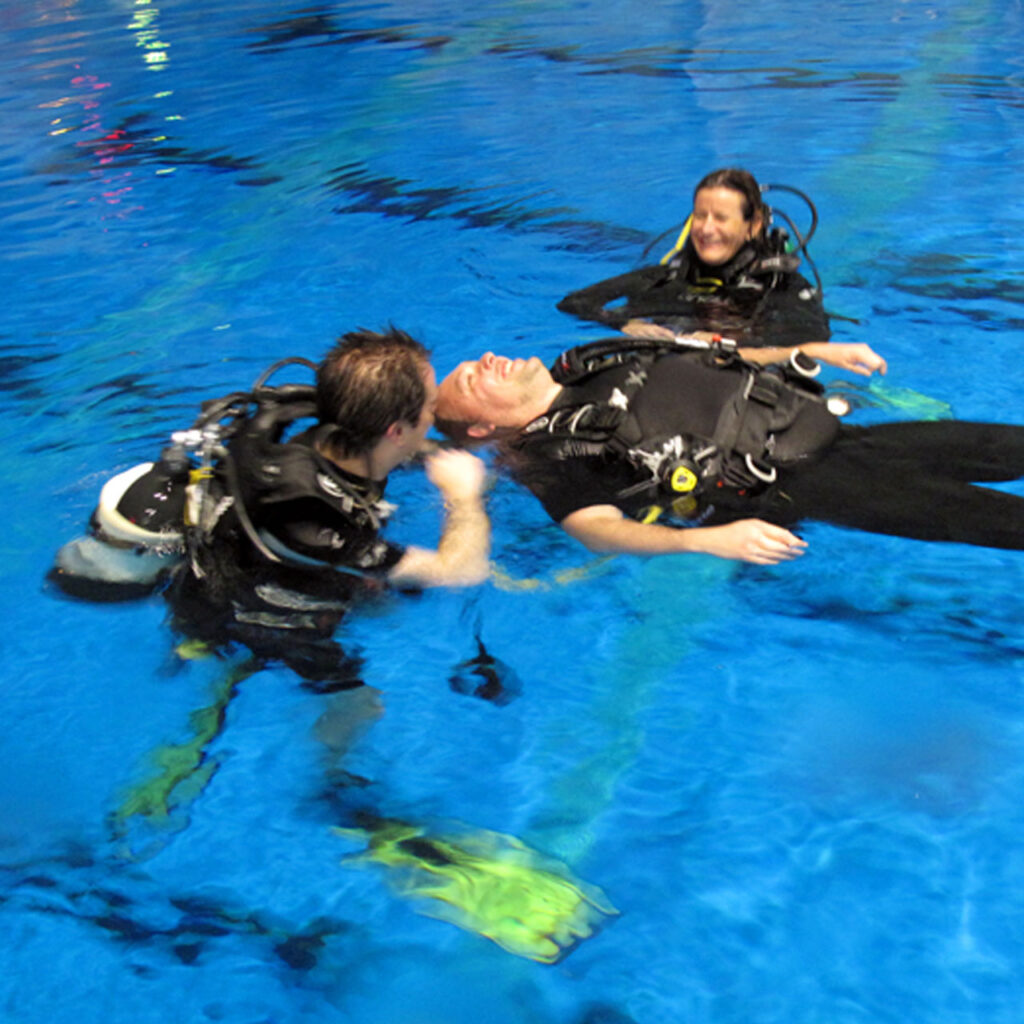
If you’ve ever watched a dive crew move with quiet confidence and thought, “I want that level of calm,” rescue skills are your next superpower. Whether you plan to take the Rescue Diver course soon or just want to be a safer, sharper underwater companion, mastering these fundamentals turns you from a good dive buddy into a great one.
Mindset: Prevention First, Drama Never
Rescue skills start before anyone even splashes. A rescue-ready diver is constantly doing small things that prevent big problems:
- Checking gear thoroughly
- Reviewing hand signals
- Confirming dive plans
- Noticing subtle changes in a buddy’s behavior (anxiety, fatigue, new gear struggles)
Prevention beats heroics every time—because the best rescue is the one you never have to do.
Surface Skills You’ll Actually Use
- Tired Diver Tow
Approach calmly, inflate their BCD if needed, and tow using a fin-powered kick while offering reassurance. Slow is smooth, smooth is fast. - Panicked Diver at the Surface
Keep distance, talk calmly, and offer flotation first (your BCD, DSMB, or theirs). Avoid grabbing from the front. Once they regain control, assist with breathing and tow as needed. - Emergency Oxygen
Know where the O₂ kit is and how to use it. Oxygen first aid for suspected DCI or near-drowning is essential while contacting EMS.
Underwater Skills That Build Confidence
- Recognizing Stress Early
Wide eyes, rapid breathing, or gear fixation? Slow the dive, adjust buoyancy, and re-establish comfort. - Air-Sharing
Practice controlled gas sharing—maintain neutral buoyancy, eye contact, and steady ascent rates. - Unresponsive Diver Lift
Secure regulator, inflate BCD or ditch weights, begin controlled ascent, and manage your buoyancy throughout. - Search Patterns
In low viz or current, use expanding square or U-patterns. Mark your start point and communicate clearly.
Communication That Actually Calms People
Your voice is a life raft in an emergency. Speak slowly, keep sentences short, and anchor feelings:
“You’re safe. You’re floating. I’m with you.”
On boats, be direct:
“You—call EMS. You—bring the O₂ kit. You—note the time.”
Gear That Makes Rescues Easier
- DSMB for visibility and flotation
- Spare mask and fin straps
- Pocket mask for rescue breathing
- Line cutter or shears for entanglement
Fitness: The Quiet Skill
Rescues require strength and calm breathing. Add fin-swim intervals, core work, and slow exhale drills to your weekly routine.
Real-World Scenarios You’ll Encounter
- Overexertion on a Surface Swim
Inflate, rest, tow with encouragement, and shorten the next dive plan. - Cramp Underwater
Straighten the leg, gently pull the fin tip toward the shin, massage, and reset buoyancy. - Lost Buddy
One-minute search while staying neutral, then ascend to reunite at the surface.
Final Word: Be the Buddy Everyone Wants
Rescue skills aren’t about being the hero—they’re about creating a bubble of calm where everyone can enjoy the dive. Practice. Review. Stay humble. And remember: kindness and competence are a rescue diver’s best tools.
Content created by Gen AI but edited by scuba divers for scuba divers. Image courtesy of Yu Diving, CC BY-SA 2.0, via Wikimedia Commons
