

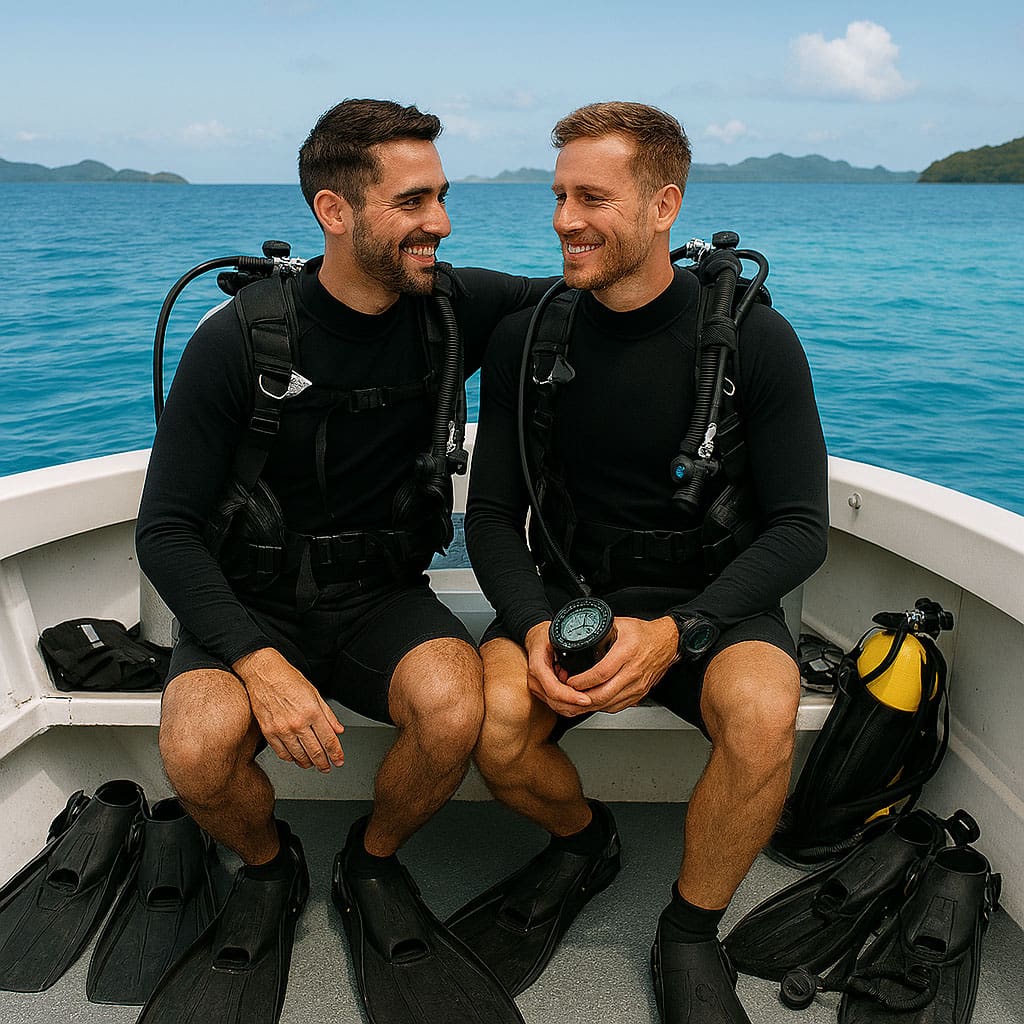
There’s something magical about diving in remote locations. Whether it’s a secluded reef in the Bahamas, a volcanic wall off the coast of Indonesia, or a hidden cenote in Mexico, remote dive sites offer pristine conditions, unique marine life, and a sense of adventure that’s hard to beat. But with that beauty comes complexity. Planning a dive in a remote location requires more than just booking a flight and packing your gear—it demands careful preparation, logistical foresight, and a strong focus on safety.
In this guide, we’ll walk through everything you need to know to plan a successful dive trip to a remote location. And as always, consult a professional dive operator or instructor before attempting any dive outside your usual environment.
Why Remote Diving Is Worth It
Remote dive sites often offer:
- Less diver traffic: Fewer bubbles, more marine life.
- Unique ecosystems: Rare species and untouched coral.
- Adventure: The thrill of exploring somewhere few have gone.
- Cultural immersion: Diving in remote areas often means connecting with local communities.
But these benefits come with challenges—limited infrastructure, unpredictable conditions, and fewer emergency resources. That’s why planning is everything.
1. Research the Location Thoroughly
Before you commit to a remote dive trip, do your homework. Learn about:
- Local dive conditions: Currents, visibility, water temperature, depth profiles.
- Marine life: What species you might encounter, and any hazards.
- Weather patterns: Rainy seasons, storm risks, and seasonal changes.
- Travel logistics: How to get there, visa requirements, and local transportation.
- Emergency services: Nearest recompression chamber, medical facilities, and evacuation options.
Use dive forums, travel blogs, and local dive shop websites to gather insights. Don’t rely solely on promotional materials—get real-world feedback from other divers.
2. Choose a Reputable Dive Operator
In remote areas, your dive operator is your lifeline. Look for:
- Certified professionals: Instructors and divemasters with recognized credentials.
- Safety protocols: Emergency oxygen, first aid kits, and clear dive briefings.
- Local knowledge: Guides who know the site intimately.
- Equipment quality: Well-maintained gear and backup systems.
- Environmental responsibility: Operators who follow sustainable practices.
Read reviews, ask questions, and don’t be afraid to walk away if something feels off. Your safety is worth it.
3. Pack Smart and Prepare for Limited Resources
Remote locations often lack dive shops, repair stations, or even basic amenities. Pack Essential Dive Gear accordingly:
- Mask, fins, snorkel
- BCD and regulator
- Dive computer
- Exposure protection (wetsuit or drysuit)
- Surface Marker Buoy (SMB)
- Backup lights and batteries
- Cutting tool
- Spare parts (O-rings, mouthpieces, fin straps)
- Travel Essentials:
- Waterproof dry bag
- Reef-safe sunscreen
- First aid kit
- Medications (including seasickness tablets)
- Copies of certification cards and insurance
If you’re bringing your own gear, test everything before departure. If renting, confirm availability and condition in advance.
4. Plan for Emergencies
In remote areas, help may not be close. Prepare for worst-case scenarios:
- Dive insurance: Make sure it covers remote evacuation and hyperbaric treatment.
- Emergency contacts: Know how to reach local authorities and medical services.
- Communication tools: Satellite phone, VHF radio, or emergency beacon.
- Evacuation plan: Understand how you’d get to the nearest hospital or chamber.
- Discuss emergency procedures with your dive operator and buddy before each dive.
5. Understand Local Regulations and Customs
Respect the local laws and culture. This includes:
- Permits: Some sites require dive permits or park fees.
- Protected areas: Know where you can and can’t dive.
- Cultural sensitivity: Dress appropriately, learn basic phrases, and follow local customs.
- Environmental rules: No touching coral, no collecting souvenirs, and no feeding wildlife.
Being a respectful guest helps preserve the site and builds goodwill with the community.
6. Dive Conservatively
Remote diving is not the time to push your limits. Dive conservatively:
- Stay within your certification level.
- Monitor your air and depth closely.
- Use the buddy system religiously.
- Avoid penetration dives unless trained and equipped.
- Perform safety stops on every dive.
If conditions change or something feels off, abort the dive. There’s no shame in staying safe.
7. Log Your Dives and Debrief
After each dive, take time to:
- Log depth, time, and conditions.
- Note any issues or observations.
- Debrief with your buddy or guide.
This helps you learn from each experience and prepare for future dives. It’s also useful for tracking gear performance and environmental changes.
8. Respect the Environment
Remote sites are often ecologically sensitive. Be a responsible diver:
- Maintain perfect buoyancy to avoid damaging coral.
- Don’t touch or chase marine life.
- Use reef-safe sunscreen and avoid single-use plastics.
- Support local conservation efforts.
- Leave the site better than you found it. Your actions matter.
9. Consider a Specialty Course
If you’re planning a remote dive trip, consider taking a specialty course beforehand:
- Navigation: Helps you stay oriented in unfamiliar terrain.
- Deep Diver: Prepares you for sites beyond 60 feet.
- Wreck Diver: Useful for exploring sunken structures.
- Rescue Diver: Equips you to handle emergencies.
Training builds confidence and competence—two things you’ll need in remote settings.
10. Enjoy the Journey
Remote diving isn’t just about the underwater experience—it’s about the journey. Embrace the adventure:
- Meet new people
- Try local food
- Learn about the ecosystem
- Take time to relax and reflect
These trips often become lifelong memories. With the right preparation, you’ll enjoy every moment safely and responsibly.
Final Thoughts: Adventure Requires Awareness
Diving in remote locations is one of the most rewarding experiences a diver can have. But it’s not without its challenges. With careful planning, the right gear, and a strong focus on safety, you can explore the world’s hidden underwater treasures with confidence.
So before you head off the grid, ask yourself:
- Am I trained and prepared?
- Do I understand the site and its risks?
- Is my gear ready and appropriate?
- Have I planned for emergencies?
If the answer is yes, then you’re ready to dive into the unknown—and come back with stories worth telling.
Content and image created by Gen AI but edited by scuba divers for scuba divers.